
Homeowners dread the moment they step into the shower and feel a slight, unsettling crunch beneath their feet, or look down and notice a jagged, spiderweb-like line spreading across the pristine basin of their bathtub. A damaged tub isn't just a cosmetic eyesore; it’s a significant structural concern that can quickly lead to devastating water damage, mold growth, and rotting floorboards if left unchecked.
When faced with this sudden issue, your first instinct might be to panic and assume you are on the hook for a complete, expensive bathroom remodel. Your second instinct might be to rush to the local hardware store to grab a cheap patch kit, hoping for a quick fix. But what is the actual best way to handle a fiberglass tub repair?
Before you start tearing out your bathroom fixtures with a sledgehammer or attempt a messy, sticky weekend DIY project, it is essential to understand all of your options. Professional refinishing can save you thousands of dollars, eliminate days of dusty demolition, and provide a permanent solution rather than a temporary bandage.
Don't let a cracked tub turn into a costly water damage nightmare.Contact Bathroom Surface Solutions today for a free estimate on professional fiberglass tub repair in Portland and SW Washington.
The Anatomy of a Fiberglass Tub: Why Do They Crack?
Fiberglass tubs and shower enclosures are incredibly popular in homes across Portland, Vancouver, and the wider Pacific Northwest. They are lightweight, relatively inexpensive to manufacture and install, and feature a smooth, seamless finish that is easy to maintain. However, that lightweight, flexible nature comes with a distinct tradeoff: they can be highly prone to specific types of structural and surface damage over time.
To understand why you might need a fiberglass tub repair, it helps to know how these fixtures are actually built. These tubs are typically constructed from a molded base of woven fiberglass threads and resin, which is then coated with a layer of gel coat or acrylic to provide that shiny, water-resistant finish. Over years of daily use, the constant expansion and contraction from hot and cold water, combined with the shifting weight of people standing in them, can cause immense stress on the material.
Common causes of bathtub damage include:
Lack of Structural Support: This is arguably the most common culprit. If the tub was originally installed without adequate mortar or foam support underneath the basin, a void is left between the tub and the subfloor. The constant flexing downward every time someone steps in will eventually cause the rigid fiberglass to weaken, fatigue, and snap. This specific issue is the primary reason homeowners frantically search the internet for a weak bathtub bottom fix.
Impact Damage: Accidents happen. Dropping a heavy shampoo bottle, a metal shaving cream can, a shower caddy, or tools during a bathroom repair can easily chip the delicate top gel coat or crack the underlying fiberglass structure.
Age and General Wear: Over decades of use, the combination of harsh chemical cleaners, hard water deposits, and daily friction can degrade the protective surface. This makes the material brittle, porous, and much more susceptible to spider cracking (a network of fine hairline cracks).
Improper Cleaning Habits: Using abrasive scouring pads, steel wool, or harsh powdered cleaners can scratch the surface, creating microscopic fissures. Over time, water seeps into these tiny scratches, expanding them into larger, more problematic cracks.
The Allure of the DIY Patch Kit
When you first spot a crack, the instinct to try and fix a cracked fiberglass shower or tub yourself is completely understandable. We all want to save money and take pride in maintaining our homes. A quick trip to any big-box home improvement store reveals entire shelves lined with inexpensive DIY fiberglass repair kits, two-part epoxy putties, and peel-and-stick waterproof patches. They promise a quick, cheap, and easy solution that you can knock out on a Saturday afternoon.
These kits typically involve mixing a pungent two-part epoxy or resin, spreading it over the crack with a plastic putty knife, waiting for it to cure, and then attempting to sand it down smooth. For a very minor, purely cosmetic scratch on the upper wall of a shower, this might temporarily mask the issue. However, for actual structural cracks, deep chips, or a soft, flexing floor, taking the DIY route is almost always a frustrating and ultimately more expensive mistake.
The Reality Check: Why DIY Fiberglass Tub Repair Fails
As a homeowner, it is crucial to ground your expectations in reality when dealing with water-bearing fixtures. A failed repair doesn't just mean an ugly tub; it means water leaking directly into your home's framing. Here is the candid truth about why the DIY approach to repair a chipped bathtub or fix a cracked shower floor usually falls incredibly short of expectations:
It is a Band-Aid, Not a Cure: Most over-the-counter DIY kits only address the surface cosmetic issue. If you have a crack caused by a lack of structural support beneath the tub (that terrifying squishy feeling when you step in), slathering a layer of epoxy on top of the crack will absolutely not solve the underlying problem. The very next time you step on that spot, the tub will flex downward, and the rigid epoxy patch will immediately pop right off or crack straight down the middle. A true weak bathtub bottom fix requires specialized professional techniques to inject supportive, high-density foam or rebuild the structural integrity from beneath before addressing the surface.
The Color Match Nightmare: DIY repair kits usually come in stark, glaring "appliance white" or a generic "almond." Unless your specific bathtub was manufactured yesterday in that exact, precise shade, the DIY patch is going to stick out like a sore thumb. Tubs naturally fade, yellow, and discolor over time due to UV light and water exposure. A professional refinisher carries specialized tints and custom-mixes their topcoats on-site to ensure a seamless, completely invisible blend with the rest of your bathroom.
Poor Surface Preparation: The secret to the longevity of any industrial coating or repair is entirely in the prep work. DIYers simply do not have access to the industrial-grade acid washes, etching compounds, and chemical cleaners required to make a repair bond permanently to the existing fiberglass. Without this intense chemical bonding, hot water will eventually seep under the edges of your DIY patch, causing it to peel, flake, and create a dark, damp breeding ground for hidden mold.
Aesthetic Mess: Let’s be perfectly candid: working with liquid fiberglass resin and quick-setting epoxy is messy, sticky, and incredibly difficult to smooth out for an amateur. Many DIY repairs end up looking like a lumpy, smeared, opaque mess that is rough to the touch, catches dirt, and is entirely impossible to keep clean.
The Professional Solution: How We Fix Cracked Fiberglass Showers and Tubs
At Bathroom Surface Solutions, we have spent decades perfecting the highly technical art of bathroom and kitchen resurfacing. We are a family-owned business, and we don't believe in just covering up problems; we fix them at their absolute source so they look beautiful and provide many years of service with proper care.
When you hire us for a professional fiberglass tub repair, here is the comprehensive, multi-step process you can expect from our highly trained expert technicians:
Structural Assessment and Sub-Floor Repair: We never just paint over a crack. We first carefully assess the extent of the damage. If there is a structural issue causing a weak, spongy bottom, we address that critical flaw first. We utilize specialized techniques to inject high-density, waterproof supportive materials beneath the tub basin to completely eliminate flexing, creating a rock-solid foundation that will support weight safely.
Meticulous Surface Preparation: We thoroughly and aggressively clean the entire tub to remove all traces of soap scum, body oils, silicone caulking, and hard water deposits. We then use an industrial acid wash to safely etch the surface, opening up the microscopic pores of the old fiberglass so our new coatings can achieve a permanent, unbreakable chemical and mechanical bond.
Filling, Sanding, and Sculpting: We use professional-grade, waterproof fiberglass fillers, which are vastly superior to brittle hardware store epoxy, to fill the cracks, chips, and deep gouges. We then carefully hand-sand the repaired area until it is perfectly flush and contoured with the surrounding tub, ensuring you won't feel a ridge, bump, or dip when you run your hand over it.
High-Bond Epoxy Priming: Once the repair is physically perfect, we mask off your bathroom to protect it from overspray. We then apply four coats of a high-build, high-bond, epoxy, ultra-grip primer. This creates an impenetrable waterproof barrier and the perfect, smooth canvas for the final finish.
The Flawless Urethane Topcoat: Finally, we apply five coats of a premium acrylic urethane topcoat with a built-in clear coat. This high-tech material cures to a brilliant, high-gloss finish that looks, feels, and performs exactly like brand-new factory porcelain or acrylic.
Because we are so incredibly confident in our meticulous preparation process and our top-of-the-line materials, most full refinishing jobs we complete are backed by our comprehensive, written 10-year warranty. You simply will not get that kind of peace of mind or guarantee from a $20 DIY kit.
Refinishing vs. Total Replacement: The Cost and Time Comparison
You might be reading this and wondering, "If my tub is cracked and structurally compromised, shouldn't I just rip it out and replace it with a brand new one?"
The short, honest answer is: rarely.
Replacing a bathtub is almost never a simple, standalone project. It is a major construction demolition event. Pulling out an old fiberglass tub or a one-piece shower insert usually means tearing out the surrounding wall tile, ripping up the bathroom floor to get the tub out the door, upgrading the old plumbing to meet current municipal codes, and spending weeks dealing with multiple contractors, drywall dust, and the severe inconvenience of a non-functioning bathroom.
According to national remodeling averages, a full bathtub replacement can easily cost upwards of $3,500 to $5,000 once you factor in the costs of demolition, dump fees, plumbing labor, new tile installation, and the tub itself.
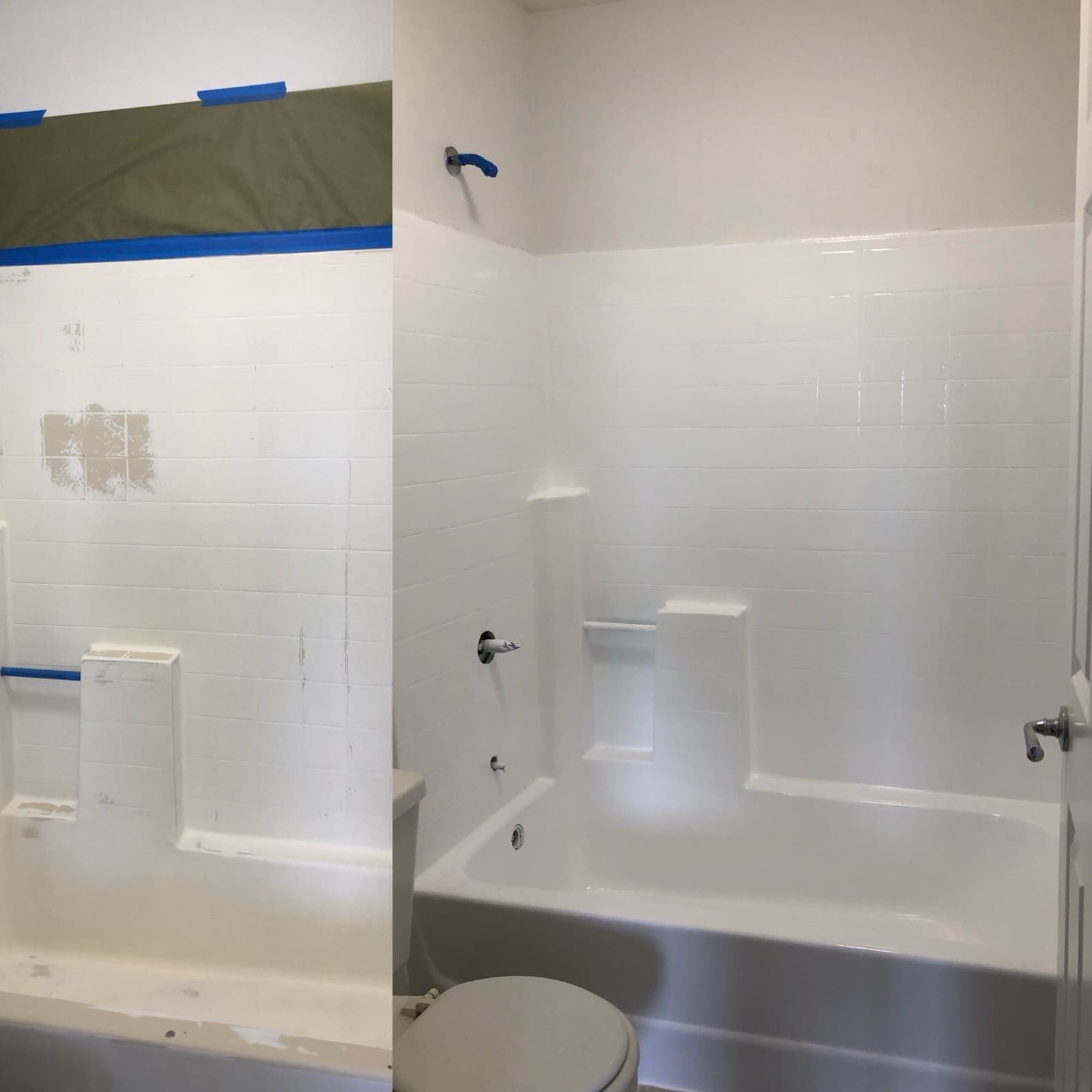
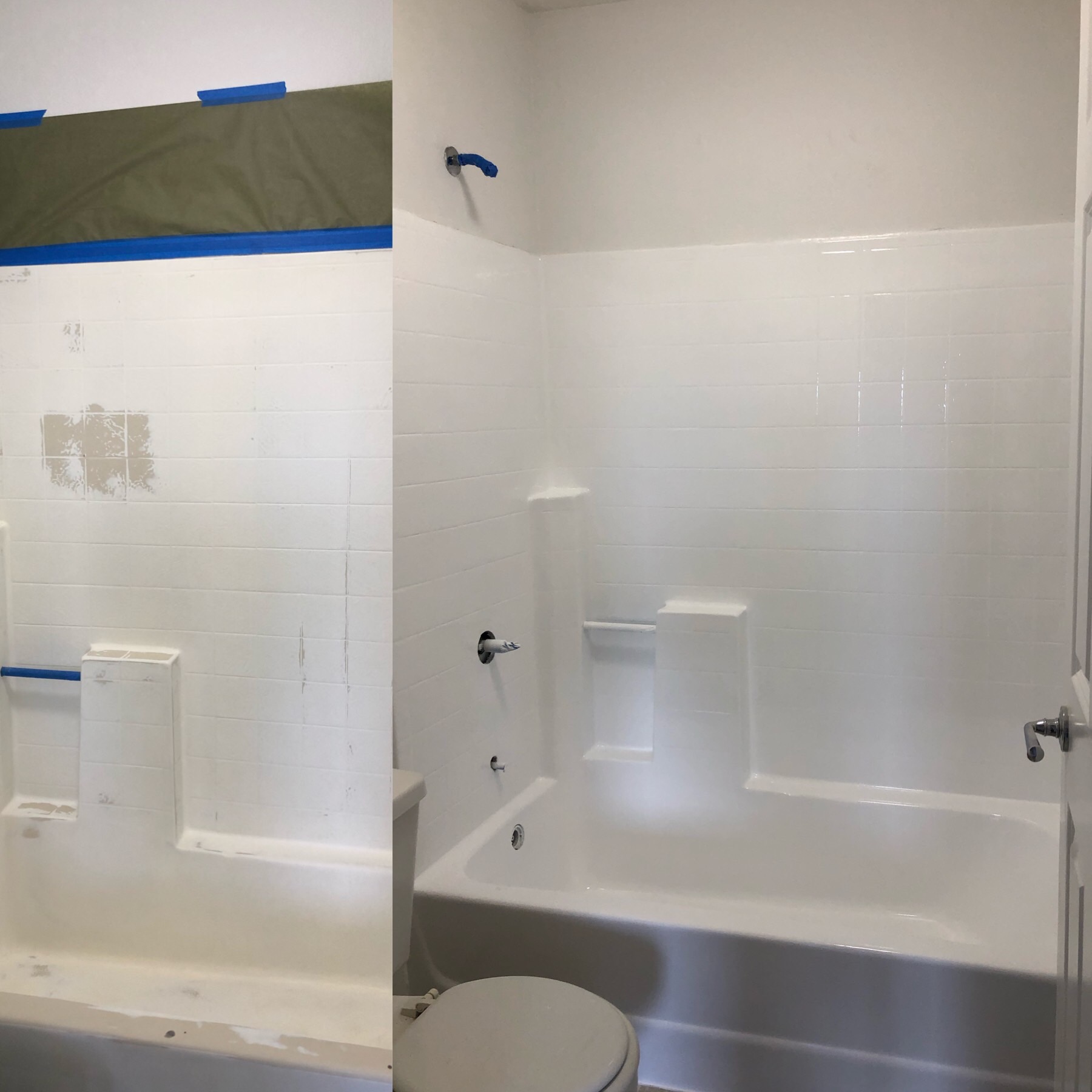
In stark contrast, professional fiberglass tub repair and full resurfacing can usually be completed by our technicians in just ONE single day, at a mere fraction of the cost of replacement. You get to keep your existing plumbing exactly where it is, save your existing tile, avoid the nightmare of living in a messy construction zone, and have a beautiful, highly durable, warranted tub ready to use the very next day.
Beyond the Tub: Elevating Your Entire Space
The beauty of professional resurfacing is that it isn't limited to just fixing a cracked fiberglass shower. Once you realize how affordable, fast, and transformative the refinishing process truly is, you can begin to look at the rest of your outdated space with fresh eyes.
While our technicians are already on-site restoring your bathtub to perfection, it’s the perfect, cost-effective time to address other tired, worn-out surfaces in your home:
Tile Refinishing: Do you hate the dingy pink, seafoam green, or harvest gold tile surrounding your newly repaired tub? We can flawlessly reglaze your wall tile to a modern, crisp, high-gloss white, completely updating the entire look of the room without ever swinging a sledgehammer.
Countertop Resurfacing: If your bathroom vanity or kitchen counters are scratched, burned, stained, or just stuck in a 1990s laminate pattern, our specialized Stone Fleck faux-stone finishes provide the luxurious, multi-dimensional look of natural granite or quartz for pennies on the dollar compared to actual stone slabs.
Cabinet Refinishing: You can complete your entire bathroom or kitchen makeover by having us professionally prep, prime, and paint your cabinet boxes and doors. We use specialized, highly durable coatings designed specifically for vertical cabinetry surfaces to ensure a smooth, factory-like finish that resists sagging, chipping, and peeling.
By choosing a comprehensive surface solution strategy, you can achieve the high-end look of a $20,000 interior remodel for a fraction of the price, and with absolutely zero demolition headaches.
The Bottom Line on Tub Repair
A crack or a weak spot in your fiberglass tub doesn't have to be a disaster, nor does it require you to empty your savings account to fund a full bathroom remodel. While the temptation to try a quick DIY patch to save a few dollars is strong, the stark reality is that those patches are temporary, unsightly, and fundamentally fail to address the hidden structural weaknesses that caused the crack in the first place.
Professional fiberglass tub repair offers a permanent, beautiful, and highly cost-effective alternative. By addressing the root cause of the damage beneath the floor, utilizing industrial-grade epoxies and urethanes, and applying over three decades of family expertise, your damaged tub can be fully restored to its original, flawless condition, all in just a single day.
Don't live with the constant stress of a leaking, cracked tub or the daily embarrassment of a botched, lumpy DIY repair. Trust the seasoned experts who have been proudly serving property owners in the Portland, Beaverton, and Vancouver areas since 1979.
Ready to stop the leaks and restore your bathroom to its former glory? CallBathroom Surface Solutions today at 503-227-0826 or fill out our online form to schedule your free, custom estimate. Let us show you just how affordable and beautiful a like-new tub can be!