
Bathtub and shower refinishing can dramatically improve the appearance of a bathroom without the cost, demolition, and disruption of a full replacement. When performed correctly on the right surface, refinishing can provide a durable, attractive finish and save property owners thousands of dollars.
However, refinishing is not the right solution for every bathroom or every surface.
At Bathroom Surface Solutions, our goal is not simply to sell refinishing. We want to help customers understand their options and choose the solution that makes the most sense for their property, budget, and long-term expectations.
Before scheduling a refinishing project, here are the potential risks and limitations you should understand.
Refinishing Does Not Correct Major Structural Problems
Refinishing improves and protects the surface of a bathtub, shower, countertop, or tile surround. It does not replace the underlying structure.
Minor chips, cracks, and surface damage can often be repaired before refinishing. However, a fixture may not be a good candidate if it has:
Significant structural movement
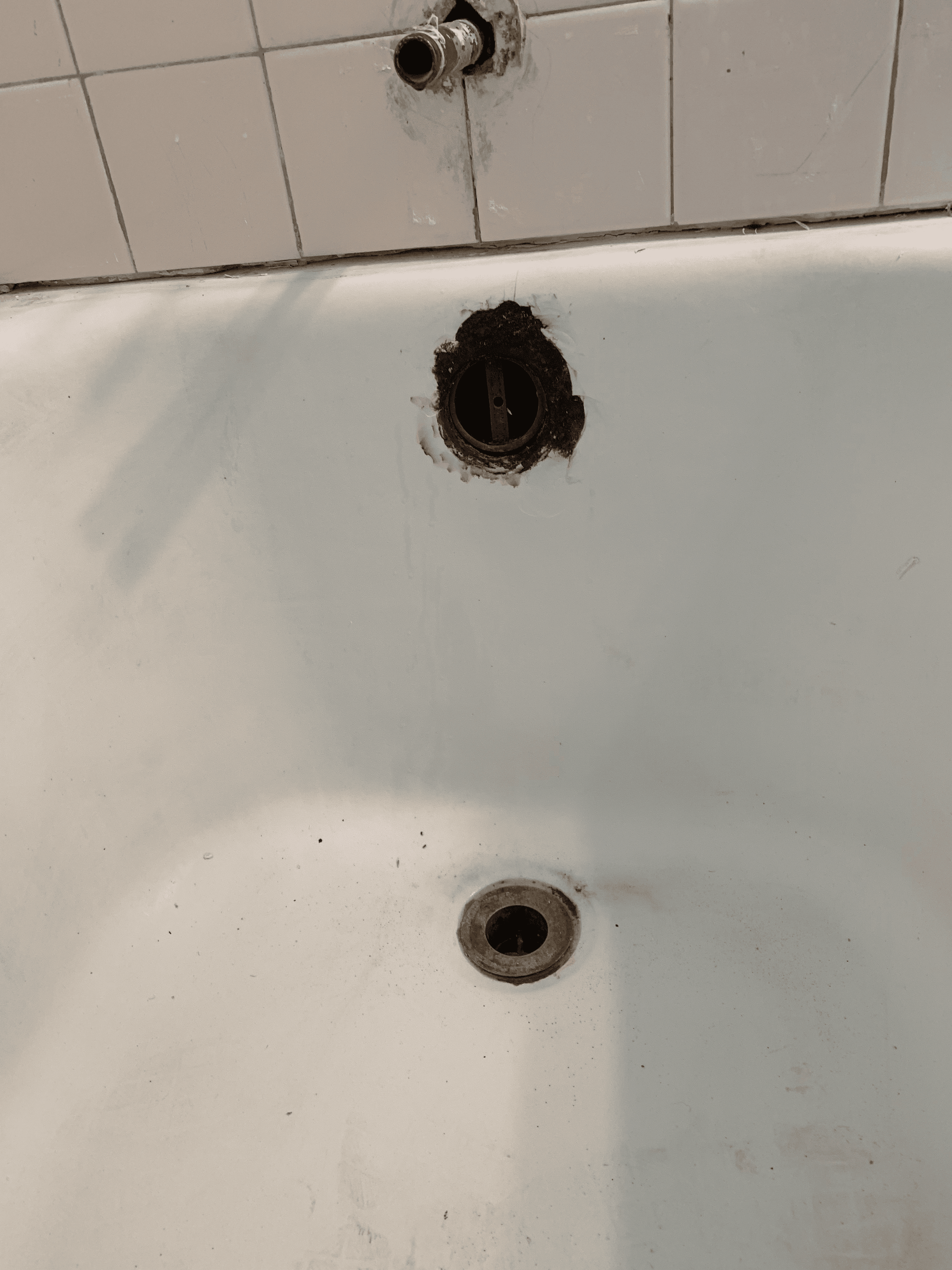
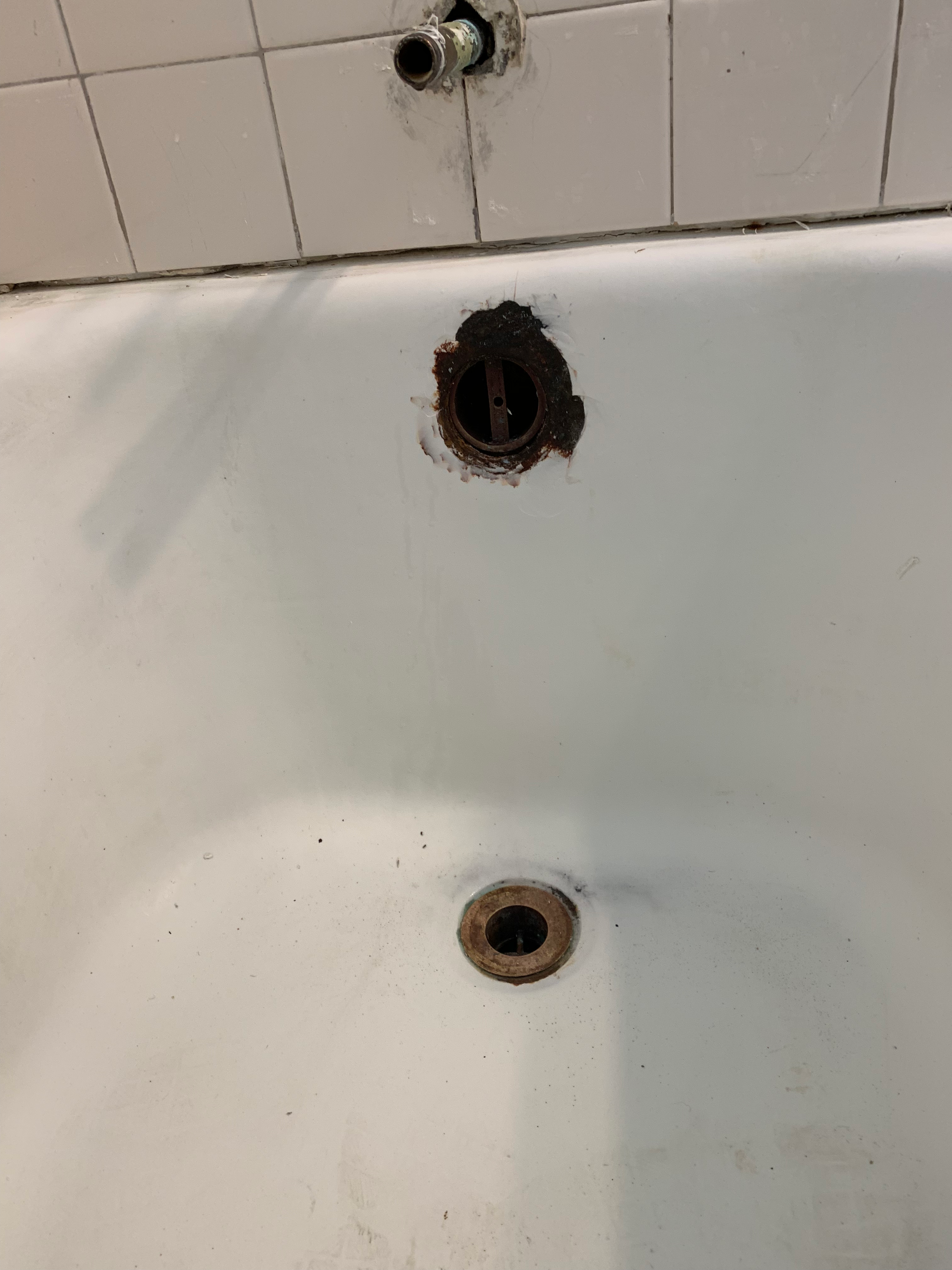
Extensive rust or corrosion
Severe water damage beneath the surface
Major leaks behind the walls or underneath the fixture
Substantial deterioration of the surrounding substrate
Applying a new finish without correcting these underlying problems can temporarily improve the appearance, but it will not stop the original issue from getting worse.
A reputable refinishing company should inspect the surface and tell you when repairs or replacement are the more responsible choice.
The Finished Surface Is Only as Good as the Preparation
Surface preparation is the most important part of a professional refinishing project.
Soap residue, hard-water deposits, silicone, oils, cleaning products, and previous coatings can interfere with adhesion. If the surface is not properly cleaned, repaired, prepared, and primed, the new coating may eventually peel, bubble, or separate.
This is one of the biggest differences between professional refinishing and inexpensive DIY kits. A refinished surface may look good immediately after application, but long-term performance depends on the work completed before the final coating is applied.
Professional refinishing requires the correct preparation process, materials, application equipment, ventilation, and curing conditions. Skipping any of these steps can shorten the life of the finish.
Previous Refinishing Can Create Additional Challenges
A bathtub or shower that has already been refinished may still be restorable, but the existing coating must be carefully evaluated.
If the previous finish is peeling, bubbling, or poorly bonded, applying another coating over it will not solve the problem. The failing material may need to be removed before a new refinishing system can be installed.
This additional preparation can increase the cost and time required. In some cases, repeated coatings or extensive underlying damage may make replacement a better long-term investment.
Customers should always disclose whether a surface has been refinished before, even if the existing finish appears to be original.
Refinishing Has Realistic Durability Limits
A professionally refinished surface can provide many years of service when properly maintained. We back out work with a full 10 year warranty! However, it should not be treated exactly like a brand-new factory-fired porcelain surface.
The life of the finish will depend on several factors, including:
The condition and material of the original surface
The quality of the preparation and coating system
How frequently the fixture is used
Whether standing water is allowed to remain
The cleaning products and tools used
Whether bathmats, suction cups, or abrasive materials are placed on the surface
Whether leaks or plumbing issues are addressed promptly
Abrasive powders, harsh chemicals, scouring pads, and certain suction-cup mats can damage or prematurely wear a refinished surface. Customers must be willing to follow the recommended cleaning and care instructions. Any fiberglass or Acrylic safe cleaner is safe to use on a refinished job.
For rental properties, hotels, and other high-use environments, refinishing can still be an excellent value. However, owners should understand that unusually heavy use or improper cleaning can affect the expected lifespan.
Refinishing Will Not Change the Size or Layout
Refinishing can completely transform the color and appearance of an existing fixture, but it does not change its dimensions, location, or basic design.
If the primary problem is that a bathtub is too small, a shower is difficult to enter, or the bathroom layout no longer works, refinishing may not accomplish the desired result.
Replacement or remodeling may be more appropriate when the project requires:
Converting a bathtub into a walk-in shower
Changing the bathroom layout
Improving accessibility
Increasing the size of the shower
Relocating plumbing
Refinishing is most effective when the existing fixture functions well but looks worn, stained, chipped, damaged, or outdated.
Color Changes Have Practical Considerations
Most bathtubs, showers, tile surrounds, and countertops can be refinished in a new color. Changing an outdated color to white or another neutral finish is one of the most common reasons customers choose refinishing.
However, the final result is a newly applied coating—not a brand-new fixture. Details such as grout lines, surface texture, fixture shape, and existing design will remain unless separately repaired or modified.
Customers expecting refinishing to make an older bathtub physically identical to a newly manufactured one may be disappointed. The goal is to restore and modernize the existing surface while avoiding unnecessary demolition and replacement.
Ventilation and Temporary Odors Are Part of the Process
Professional refinishing products require proper ventilation and safety procedures during application. There may also be a temporary odor while the coating cures.
The work area should be properly ventilated, and customers should follow the technician’s instructions regarding access to the bathroom and surrounding areas. These considerations may be especially important in occupied apartments, homes with small children or pets, and buildings with limited airflow.
The fixture will also need time to cure before it can be used. Using it too soon can damage the new finish and affect its long-term performance.
A professional refinishing contractor should clearly explain the expected odor, ventilation process, cure time, and when the bathroom can safely return to normal use.
DIY Refinishing Carries Additional Risk
Store-bought refinishing kits may appear to offer an inexpensive solution, but achieving a consistent and durable result is difficult without professional equipment and experience.
Common DIY problems include:
Visible brush or roller marks
Uneven color or texture
Dust and debris trapped in the finish
Poor adhesion
Runs, drips, or thin areas
Premature peeling
Inadequate ventilation
Difficulty removing the coating later
A failed DIY coating can make professional restoration more complicated because the material may need to be stripped before the surface can be correctly refinished.
For a temporary or low-priority project, a DIY kit may seem reasonable. For a primary bathroom, rental property, hotel, apartment community, or professionally managed building, professional refinishing is generally the safer long-term option.
When Does Refinishing Make Sense?
Refinishing is often an excellent choice when:
The existing fixture is structurally sound
The surface is stained, worn, chipped, or outdated
The owner wants to avoid demolition
Replacement would require plumbing, tile, flooring, or wall repairs
The bathroom needs to return to service quickly
The goal is to improve appearance without completing a full remodel
The property owner wants to reduce material waste and replacement costs
In these situations, professional refinishing can provide a substantial improvement at a fraction of the cost and disruption associated with replacement.
Refinishing, Repair, or Replacement?
The right answer depends on the condition of the existing surface and what you want the finished bathroom to accomplish.
Refinishing is not intended to cover up serious problems. It is a restoration process designed to extend the useful life of fixtures and surfaces that are still structurally suitable.
At Bathroom Surface Solutions, we evaluate each project before recommending a solution. If refinishing is a good fit, we will explain the process, expected results, care requirements, and warranty. If the surface needs significant repair—or replacement would provide better long-term value—we will tell you that as well.
An informed customer is more likely to choose the right solution and remain satisfied with the finished project.
If you are unsure whether your bathtub, shower, tile, countertop, or cabinets should be refinished, contact Bathroom Surface Solutions for an evaluation. Photos are often enough for our team to provide an initial assessment and explain the best available options.